

Physical Therapy Treatment Options for Nerve Pain in the Shoulder
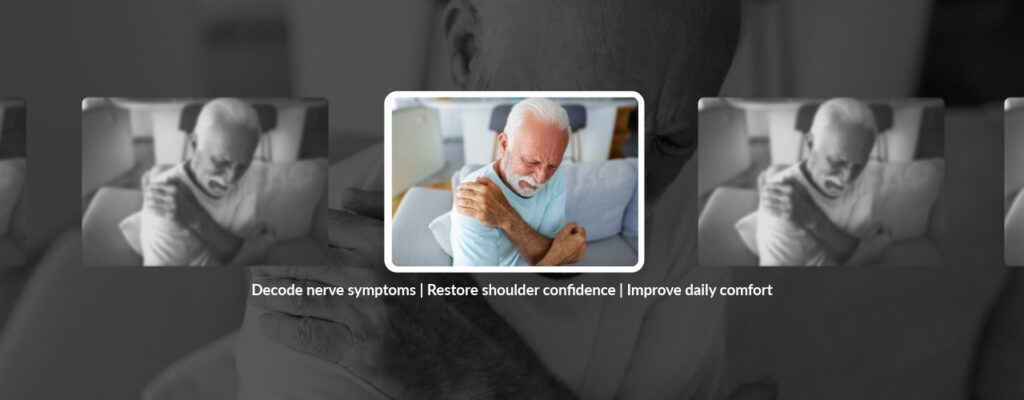
Nerve pain in the shoulder treatment is one of the more complex areas of shoulder care because nerve-related symptoms can feel completely different from person to person. Some people describe burning. Others notice tingling, weakness, or a sensation that the arm feels heavy and unreliable. Knowing what drives these symptoms and what targeted physical therapy care looks like can help you move forward with clarity.
What Nerve Pain in the Shoulder Actually Is
Nerve pain in the shoulder occurs when a nerve is compressed, irritated, inflamed, or restricted in its ability to move freely through surrounding tissue. The nerves in the neck and their branches travel from the cervical spine through the shoulder region before traveling down the arm and into the hand. Irritation at any point in the neck or shoulder can produce symptoms that feel local to the shoulder itself, even when the true source lies elsewhere.
Who Tends to Experience This Type of Shoulder Pain
Nerve-related shoulder symptoms appear across a wide range of adults. Common presentations include:
- Active adults with a history of cervical stiffness or prior neck injury
- Those who perform repeated overhead or throwing movements in sport or work
- Adults recovering from a shoulder injury where the surrounding tissue restriction affects nerve mobility
- People with a condition called thoracic outlet syndrome, where nerves and blood vessels are compressed between the collarbone and the first rib
- Adults who spend extended hours in sustained postures that load the cervical spine
How Nerve Pain in the Shoulder Disrupts Daily Life
Nerve symptoms rarely behave predictably, but common symptoms include the following:
- The arm may feel weak during tasks that previously felt effortless.
- Carrying objects becomes uncomfortable.
- Reaching overhead or behind the back produces sharp, burning, or electric sensations.
- Sleep is disrupted because certain positions compress the nerve pathway and intensify symptoms overnight.
If these patterns sound familiar, contact Coast Rehab to schedule an evaluation for your nerve pain in the shoulder treatment.
Seeking Shoulder Care at Coast Rehab
Nerve-related shoulder symptoms require a comprehensive evaluation. Fortunately, our physical therapists at Coast Rehab are skilled at assessing how neck movement influences symptoms in the shoulder and arm. We’ll also test how the arm moves and whether different ranges cause tension in the different nerves of the arm, resulting in your typical nerve symptoms. Our therapists test to see how the shoulder blade and rotator cuff muscles are functioning. Finally, we test to see whether you have any other nerve-related findings, such as reflex changes or muscle weakness, that require further evaluation and possible testing.
How Physical Therapy and Manual Therapy Target Nerve Pain in the Shoulder
Nerve pain in the shoulder treatment at Coast Rehab is built around what the evaluation specifically identifies. Our approach is evidence-based and results-focused, which means we use the methods that research supports and that our patients respond to. Our team typically uses:
- Manual therapy to your neck and upper back joints to reduce nerve pressure and improve joint and tissue mobility
- Nerve mobilization that gently moves the nerve through the tissue around it to help reduce sensitivity and improve how the arm feels
- Strengthening the muscles around the shoulder blade and rotator cuff that helps to take load off the nerve pathway and helps the shoulder move with better control.
If the nerve is being compressed near the collarbone, your clinician uses hands-on techniques on the first rib and surrounding muscles. This is combined with posture work to reduce pressure on the nerve and blood vessels in that area.
Supporting Recovery Away from the Clinic
Progress with nerve pain in shoulder treatment depends significantly on consistency between sessions:
- Awareness of sustained postures that compress the cervical spine or round the upper back
- Avoiding prolonged overhead positions that stretch the nerve pathway beyond current tolerance
- Prioritizing consistent sleep, which directly supports nervous system recovery
- Gentle active shoulder and upper back movement rather than guarding the arm completely
Nerve symptoms often improve in layers or location. Burning and tingling that once appeared constantly may begin showing up only with specific movements. Symptoms that once radiated down the arm may be located more locally in the neck and upper back region. Arm strength during carrying becomes more reliable, overhead reach feels less painful, and sleep improves as comfortable positions become easier to find.
Putting the Arm Back in Charge
Nerve pain in the shoulder has a way of making the arm feel unreliable and unfamiliar. That experience does not have to be permanent. When the right structures are identified and addressed with techniques that the research supports, meaningful recovery is a realistic and achievable outcome.
Contact Coast Rehab to schedule your evaluation and find out exactly what you can do to find relief and get back to doing what you love!